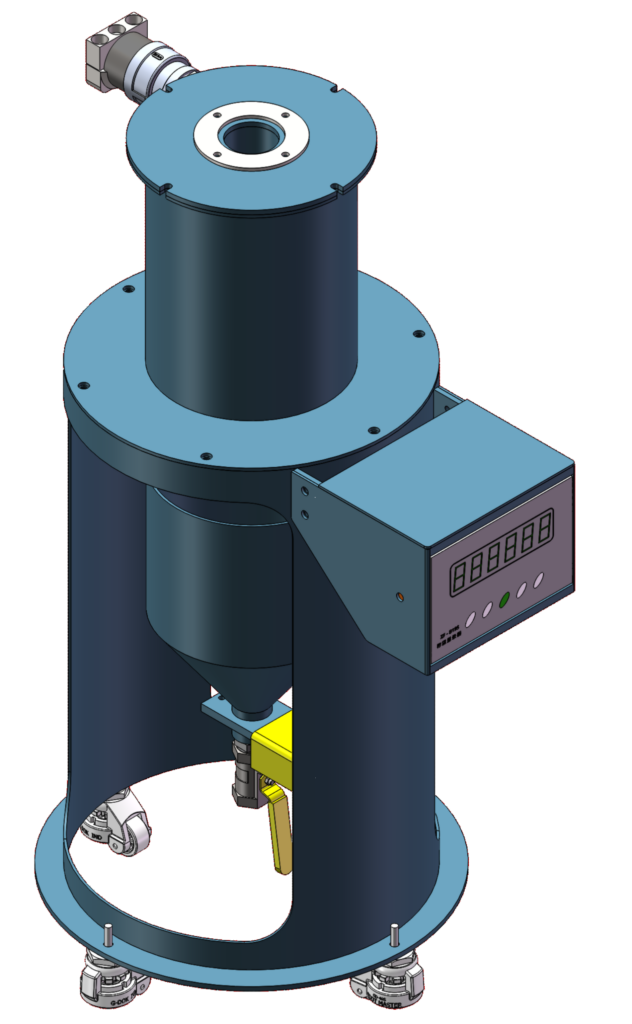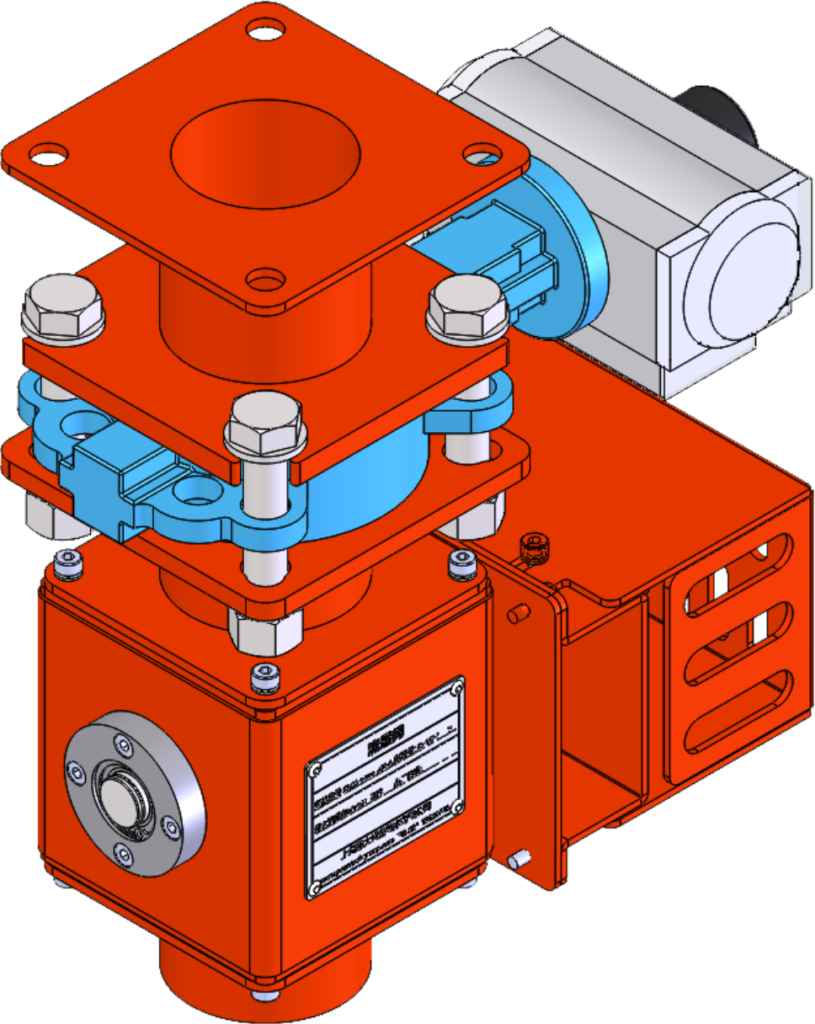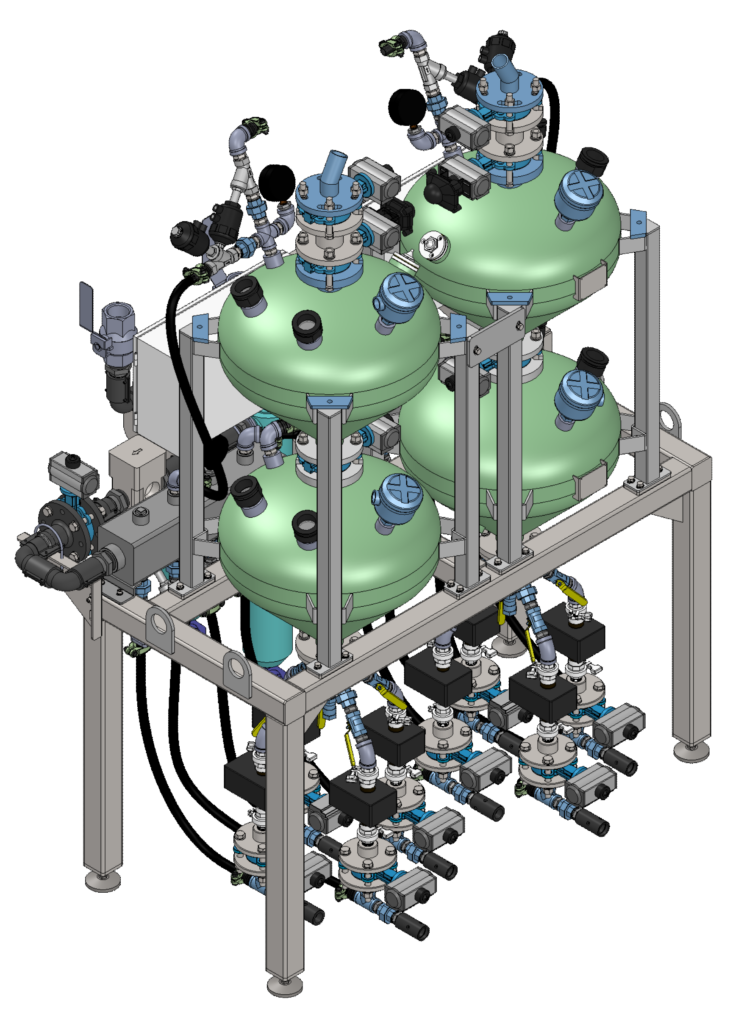
The application of shot peening in the energy field has many sub fields, such as drill collars, drill rods, drill bits, etc. for oil extraction drilling tools, as well as surface strengthening treatment for blades and tenons of gas turbines.
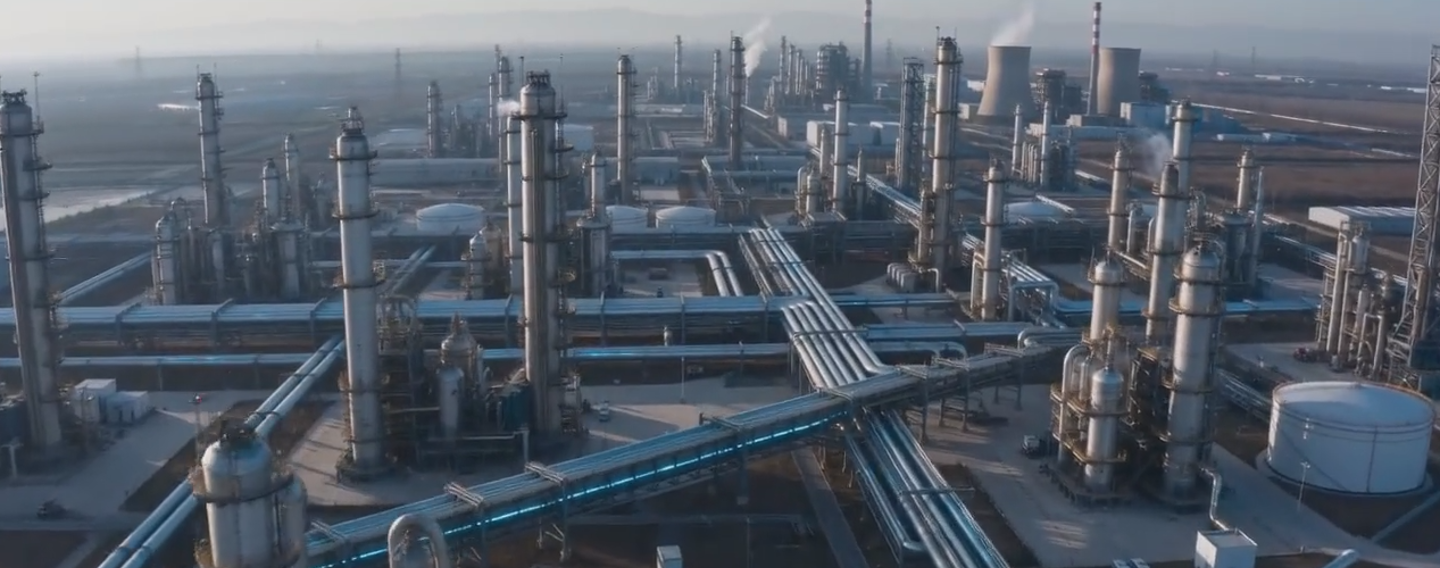
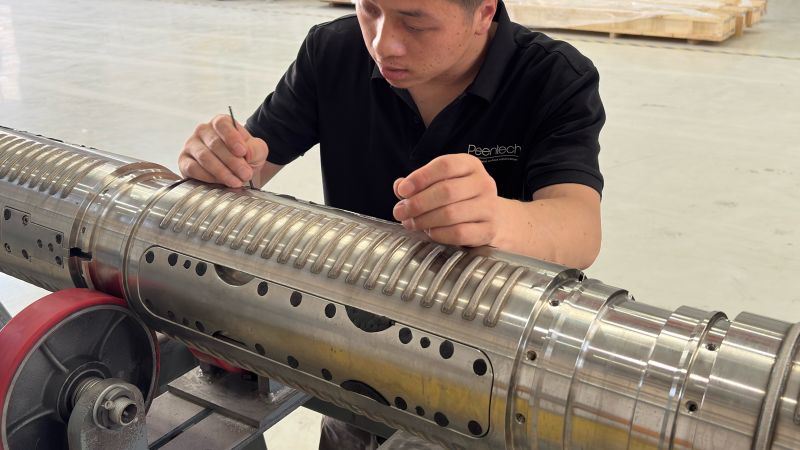
Pain Points:
Oil pipes are subjected to high pressure and corrosive media (H₂S, CO₂, saline water) over long-term service.
Both inner and outer walls face the risk of general corrosion, pitting, and stress corrosion cracking (SCC).
Pipe threads are areas of stress concentration and corrosion sensitivity; seal failure can lead to leakage incidents.
Surface damage from impacts during transportation and installation may create hidden crack initiation sites.
Value of Shot Blasting:
Removes rust and scale from inner and outer pipe walls, providing an ideal substrate for anti-corrosion coatings and significantly improving coating adhesion.
Introduces compressive stress at thread roots to resist SCC and fatigue fracture, ensuring connection safety.
Strengthens the pipe surface, inhibiting the initiation and propagation of corrosion pits, and extending service life.
Reduces the risk of safety incidents due to corrosion leakage and minimizes production downtime losses.
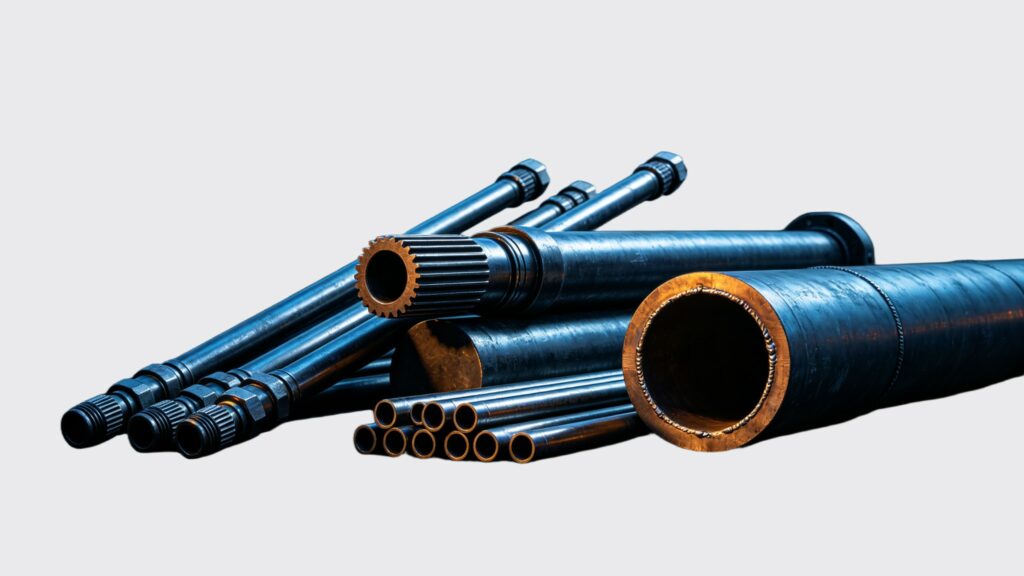
Pain Points:
Sucker rods endure reciprocating tension, compression, and torsional alternating loads in oil wells, making them highly susceptible to fatigue fracture.
Long-term exposure to corrosive media containing H₂S, CO₂, and highly mineralized water leads to severe corrosion fatigue.
Surface defects (scratches, corrosion pits) rapidly propagate into critical cracks under alternating stress.
Sucker rod fracture can result in total well shutdown and costly fishing operations.
Value of Shot Blasting:
Introduces a surface compressive stress layer, significantly improving tensile-compressive fatigue strength and greatly reducing the probability of fatigue fracture.
Resists SCC induced by corrosive media such as H₂S, extending sucker rod service life.
Strengthens threaded connection areas, reducing the risk of fatigue failure at thread roots.
Extends well workover intervals, reduces workover costs, and improves oilfield recovery efficiency.
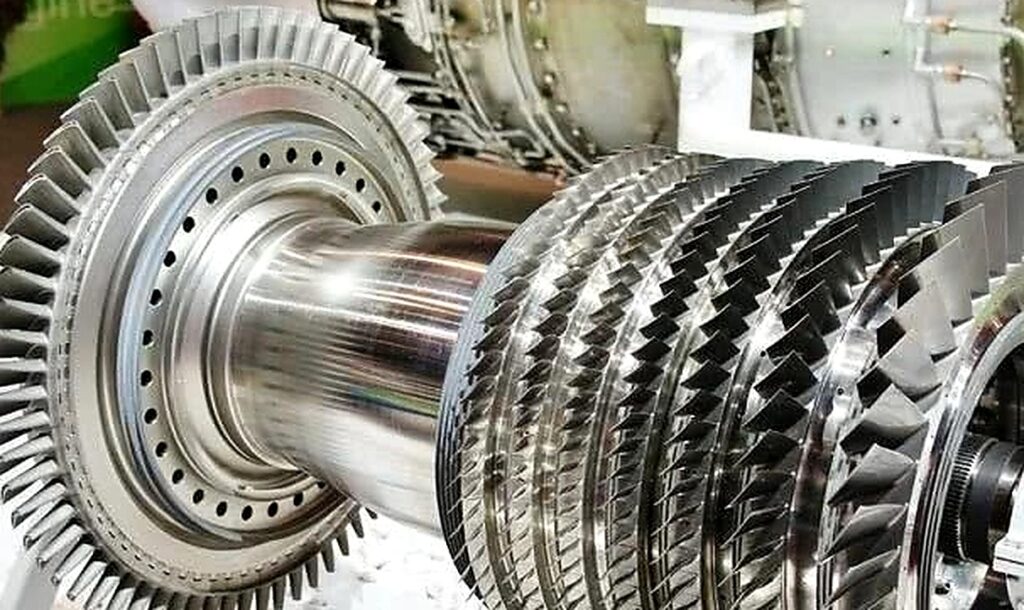
Pain Points:
Couplings are critical connections in tubing strings, bearing high tensile loads and internal pressure.
Thread areas are subject to extreme stress concentrations, making them prone to thread stripping or fracture.
Downhole corrosive media accumulate in thread clearances, leading to thread corrosion and galling.
Coupling failure can cause the entire tubing string to drop, resulting in major downhole accidents.
Value of Shot Blasting:
Strengthens thread roots, improving tensile strength and fatigue resistance of couplings.
Increases surface hardness and anti-galling properties, reducing the risk of damage during make-up and break-out operations.
Enhances corrosion resistance against downhole media attack.
Improves tubing connection reliability, ensuring safe oil and gas well production.
Pain Points:
Pump casting surfaces retain molding sand, scale, and burrs, affecting assembly precision and fluid efficiency.
Casting processes may introduce surface micro-cracks, gas pores, and porosity, leading to leakage under high pressure.
Pump bodies are subjected to alternating pressure impacts in high-pressure, corrosive media environments, posing a risk of fatigue cracking.
Value of Shot Blasting:
Efficiently removes molding sand, scale, and burrs, yielding a clean and dense casting surface.
Eliminates surface tensile stress and introduces a compressive stress layer to resist fatigue fracture under high-pressure alternating loads.
Exposes and eliminates surface micro-defects, improving sealing integrity and pressure resistance.
Provides an ideal rough surface for anti-corrosion coating, enhancing coating adhesion and corrosion protection performance.