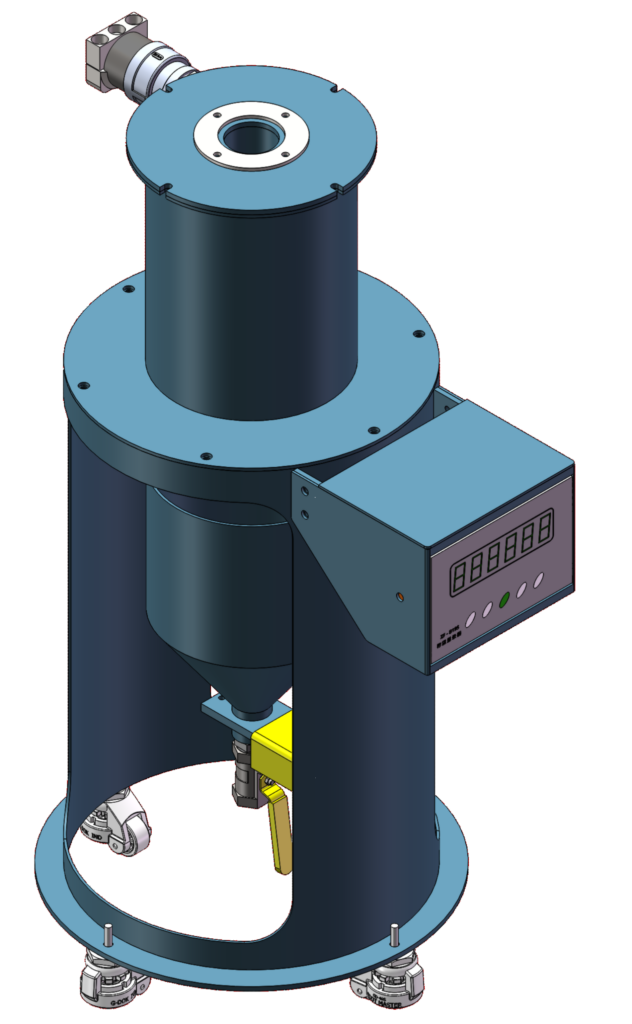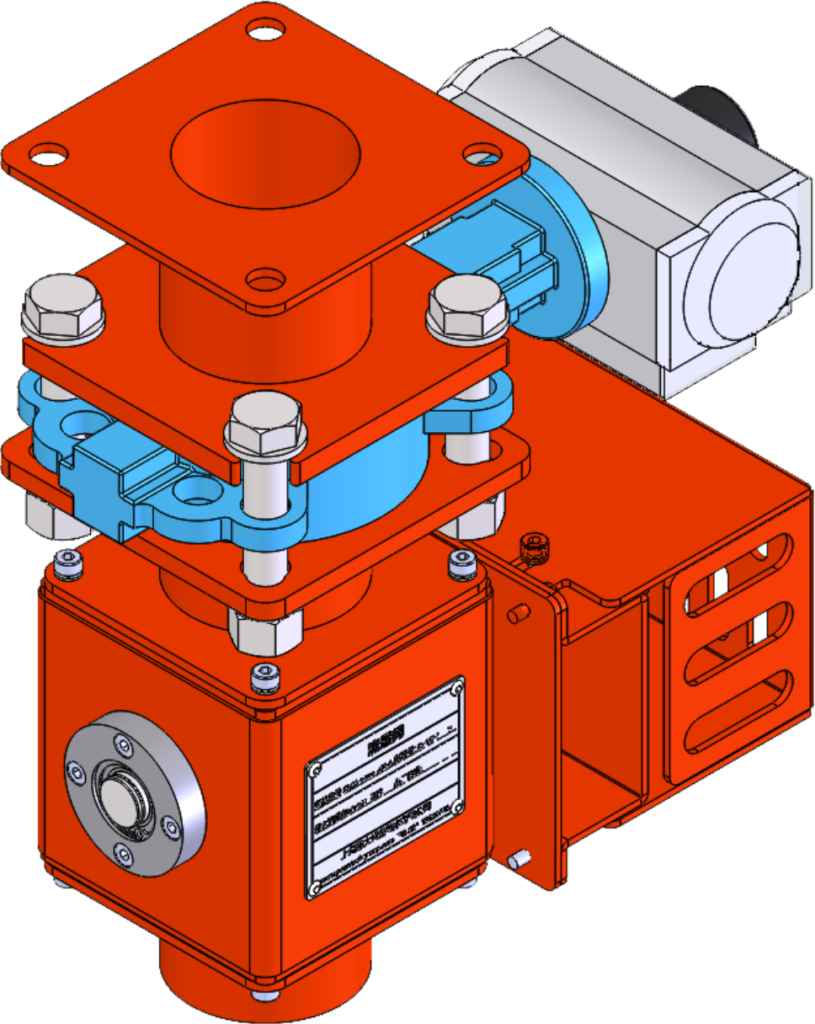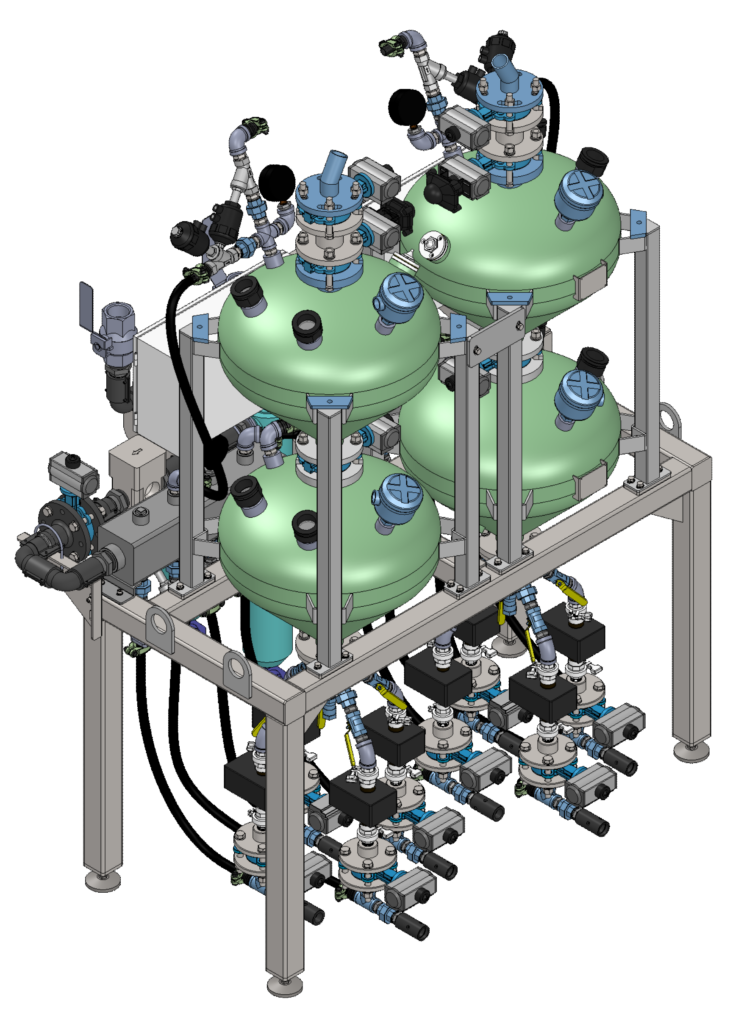
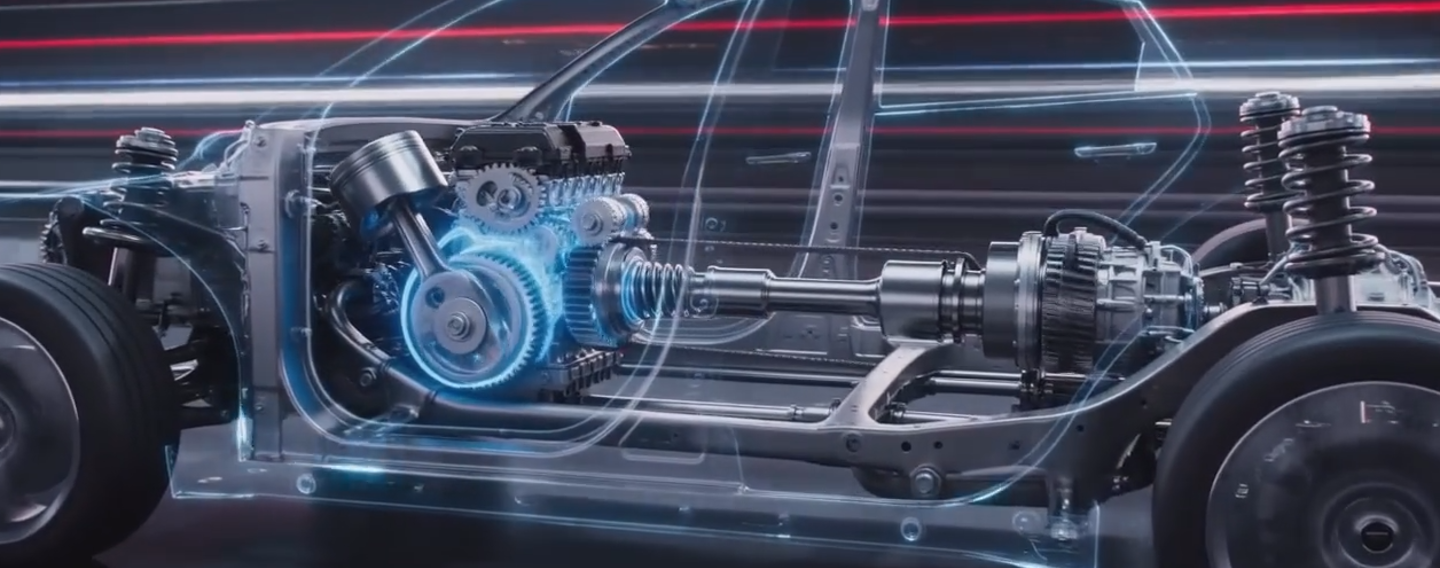
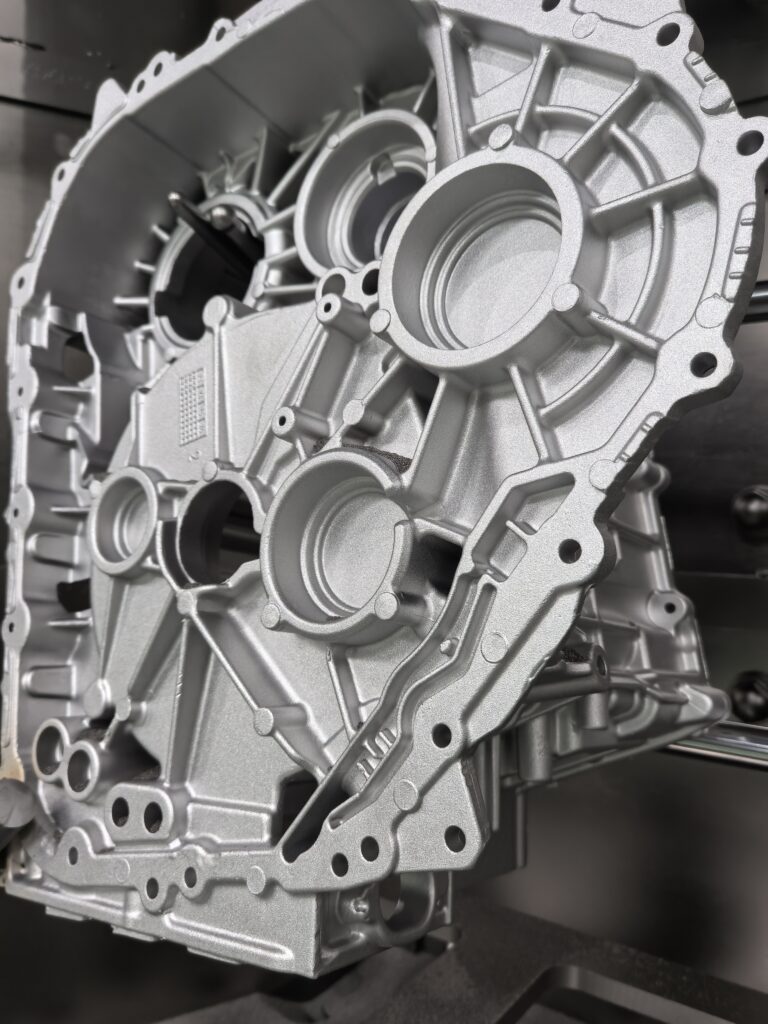
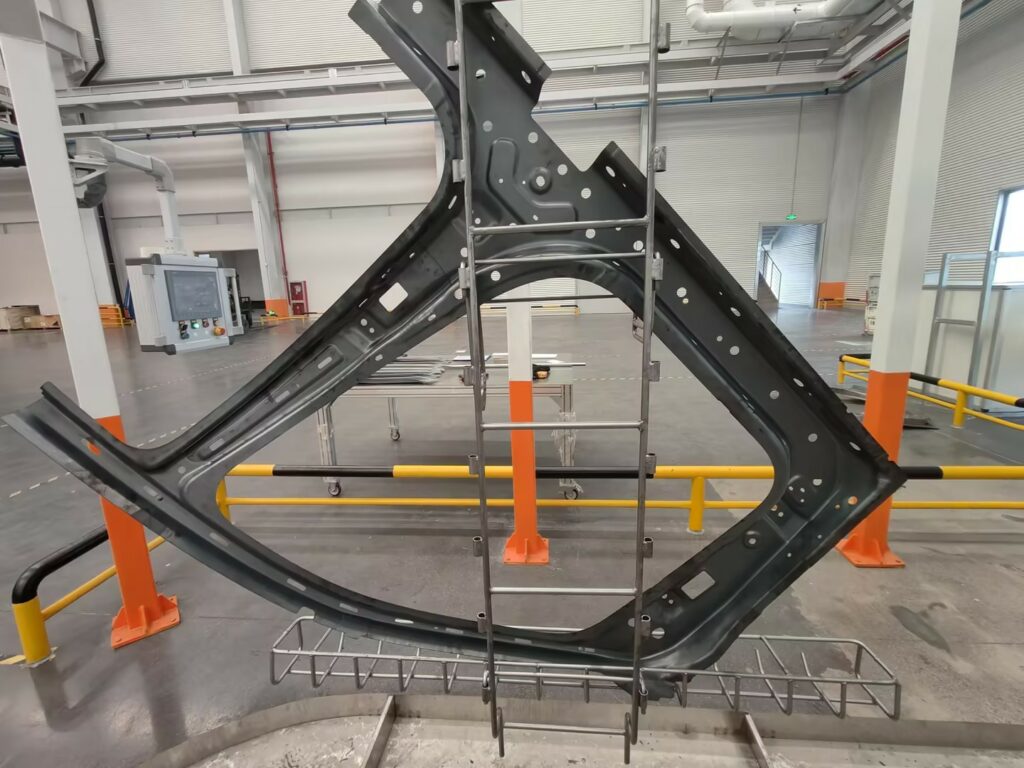
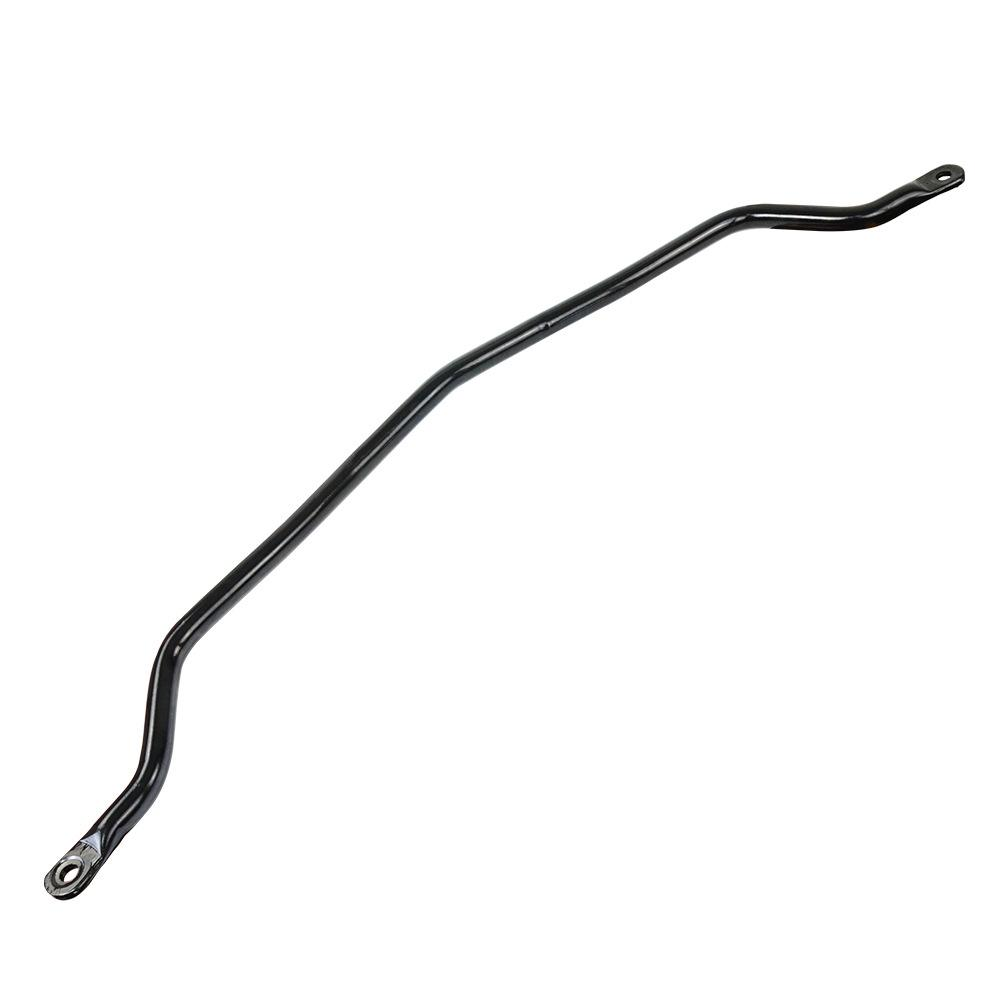
The application of metal surface treatment in the automotive field includes gears, gear shafts, gearbox housings, engine crankshafts, and connecting rods. Car frames, springs, etc.
Pain Points:
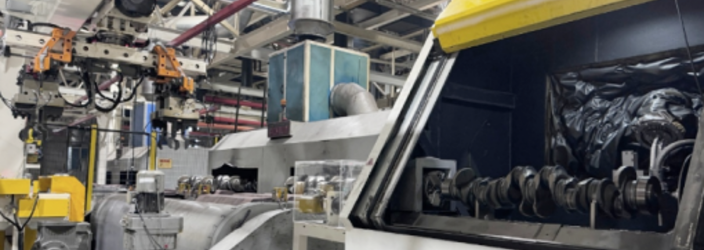
The crankshaft is the most complexly loaded component in an engine, subjected to alternating bending stress, torsional stress, and impact loads.
The fillet radii between journals and crank arms are stress concentration zones and high-risk areas for fatigue crack initiation.
Fracture can lead to complete engine, making it a high-safety-risk component.
Value of Shot Peening:
Strengthens crankshaft fillet areas, improving bending fatigue strength by over 30%.
Enhances journal surface wear resistance, reducing friction and wear.
Extends engine overhaul life and reduces after-sales warranty claims.
Pain Points:
Connecting rods operate under alternating tensile and compressive loads, with severe stress concentrations at big-end and small-end bores.
Under the trend toward higher engine power output, mechanical and thermal loads on connecting rods continue to increase.
Connecting rod fracture can cause engine top-impact or block penetration, leading to serious accidents.
Value of Shot Peening:
Improves tensile-compressive fatigue strength of the rod body and ends.
Strengthens critical areas such as big-end and small-end bores, reducing fretting fatigue risk.
Enhances reliability to adapt to demanding conditions such as turbocharging and high compression ratios.
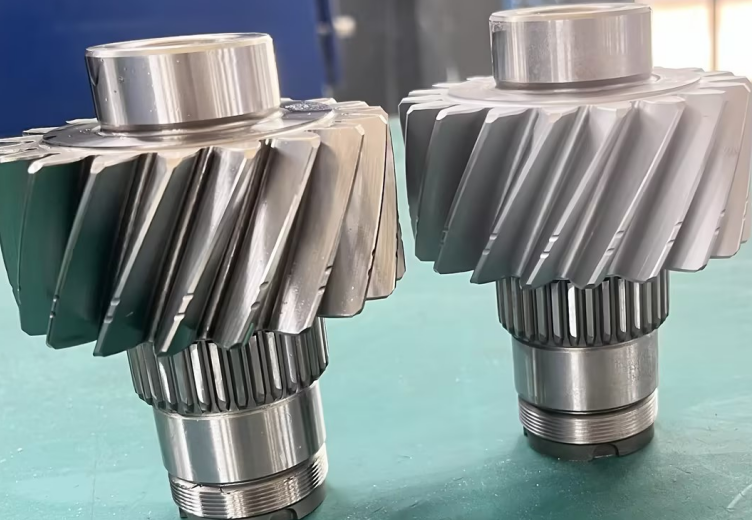
Pain Points:
Gears are subjected to alternating loads (torque, impact forces) during operation. Surface micro-cracks initiate and propagate, eventually leading to fatigue fracture. Shot peening induces plastic deformation on the surface through media impact, creating a compressive residual stress layer that counteracts tensile stresses generated during gear operation, inhibiting crack initiation and propagation, thereby significantly improving fatigue strength and service life.
Value of Shot Peening:
Improves surface hardness and wear resistance, optimizes stress distribution, and enhances deformation resistance. After heat treatment or machining, gears may retain tensile stresses on the surface, which can cause cracking. The compressive stresses induced by shot peening neutralize tensile stresses, balancing the overall stress field. For thin-walled or high-precision gears, shot peening reduces operational deformation (e.g., tooth profile distortion), ensuring transmission accuracy, and also improves corrosion resistance and anti-galling properties.
Pain Points:
Springs endure repeated torsional and bending stresses during service.
Surface micro-defects (scratches, decarburized layers) easily trigger early fatigue fracture under stress.
Suspension spring failure can lead to vehicle loss of control; valve spring failure can cause engine top-impact.
Value of Shot Peening:
Spring shot peening is an industry-standard process widely adopted across the sector.
Significantly improves fatigue life — the most cost-effective and impactful strengthening method in spring manufacturing.
Eliminates the effects of surface micro-defects and decarburization, improving product consistency.
Pain Points:
After stamping, body outer panels may exhibit micro-cracks, scratches, or localized stress concentrations on the surface.
Surface condition directly affects paint quality and appearance.
Structural components (e.g., side rails, cross members) require fatigue strengthening.
Value of Shot Blasting:
Cleans stamped surfaces (degreasing, derusting), improving coating adhesion and corrosion resistance.
Strengthens critical areas of structural components (e.g., hole edges, flanges), enhancing body rigidity and durability.
Improves stress distribution in panels, reducing springback and improving assembly precision.
Pain Points:
Chassis components (subframes, control arms, steering knuckles, etc.) are subjected to alternating impact loads from the road surface.
Failure leads to degraded vehicle handling, posing a serious threat to driving safety.
Welded and cast areas contain stress concentrations and defects.
Value of Shot Blasting:
Enhances fatigue strength of chassis components, extending service life.
Improves stress conditions in welded areas, reducing the risk of weld cracking.
Provides an ideal substrate for anti-corrosion coatings, enhancing stone-chip resistance and corrosion protection.
Pain Points:
Wheels endure alternating bending stresses and impact loads during driving.
Aluminum alloys are sensitive to surface defects, with wide fatigue life scatter.
As key unsprung mass components, they demand exceptionally high safety standards.
Value of Shot Blasting:
Replaces traditional chemical pickling processes with an environmentally friendly surface treatment.
Improves wheel fatigue life, meeting the dual demands of lightweighting and high strength.
Enhances coating adhesion, improving surface aesthetics and corrosion resistance.