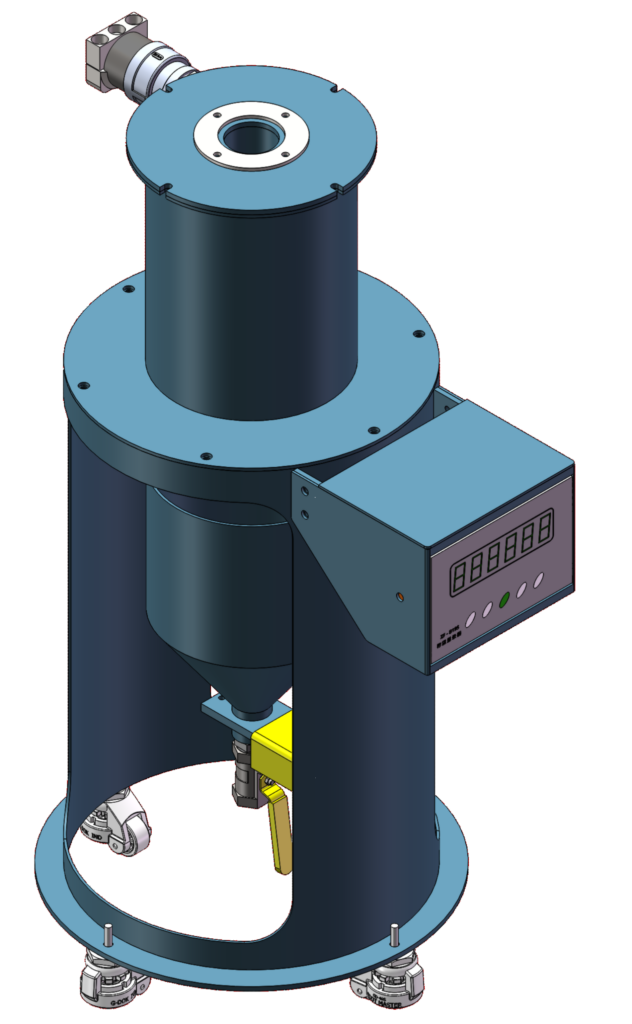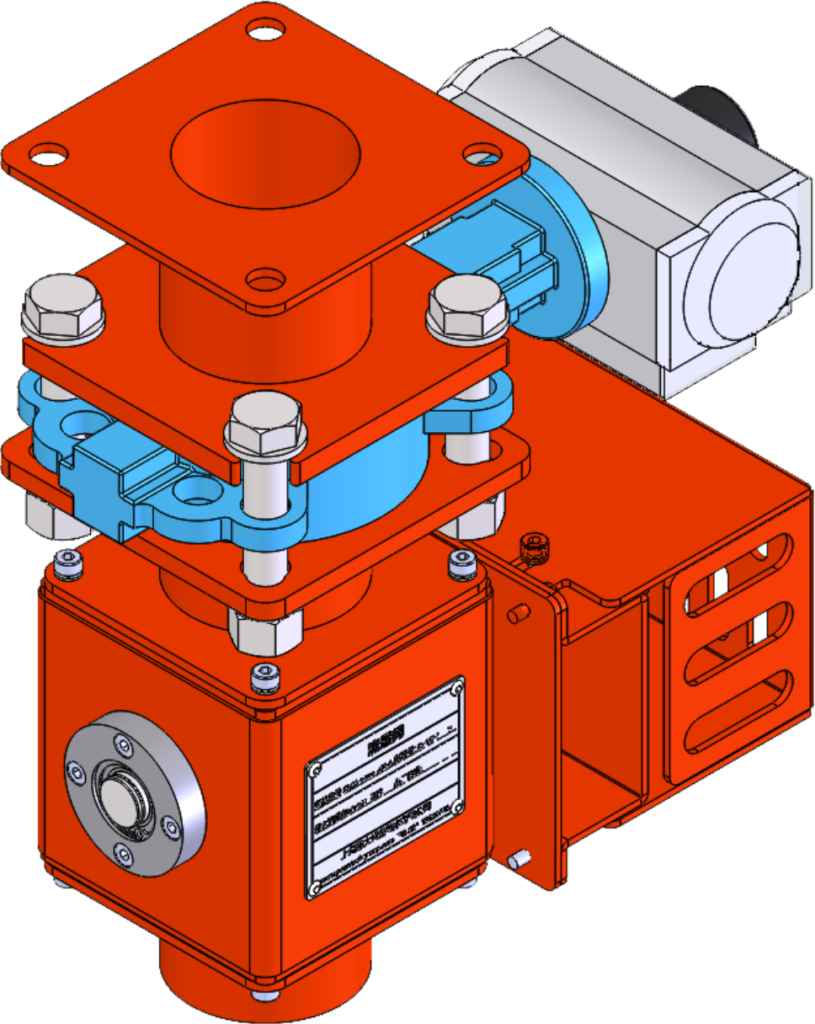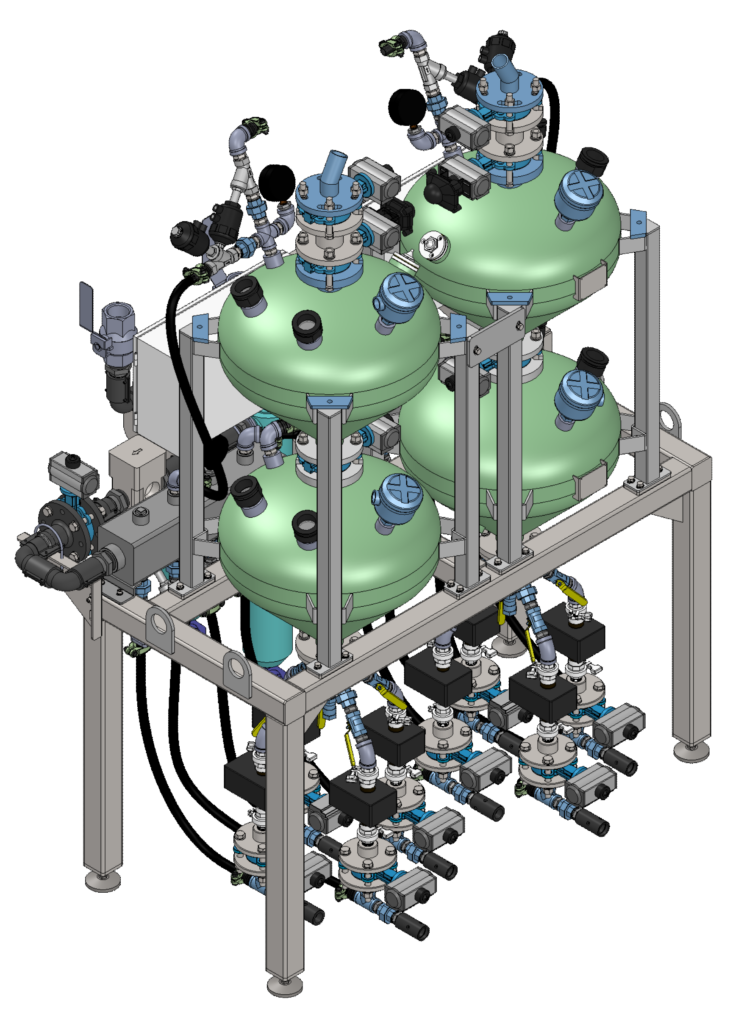
Engine blades, impellers, and impeller discs in the aviation industry. The wing skin and structural components of an aircraft. The landing gear and other important components of an aircraft must be improved in surface strength requirements through shot peening technology.
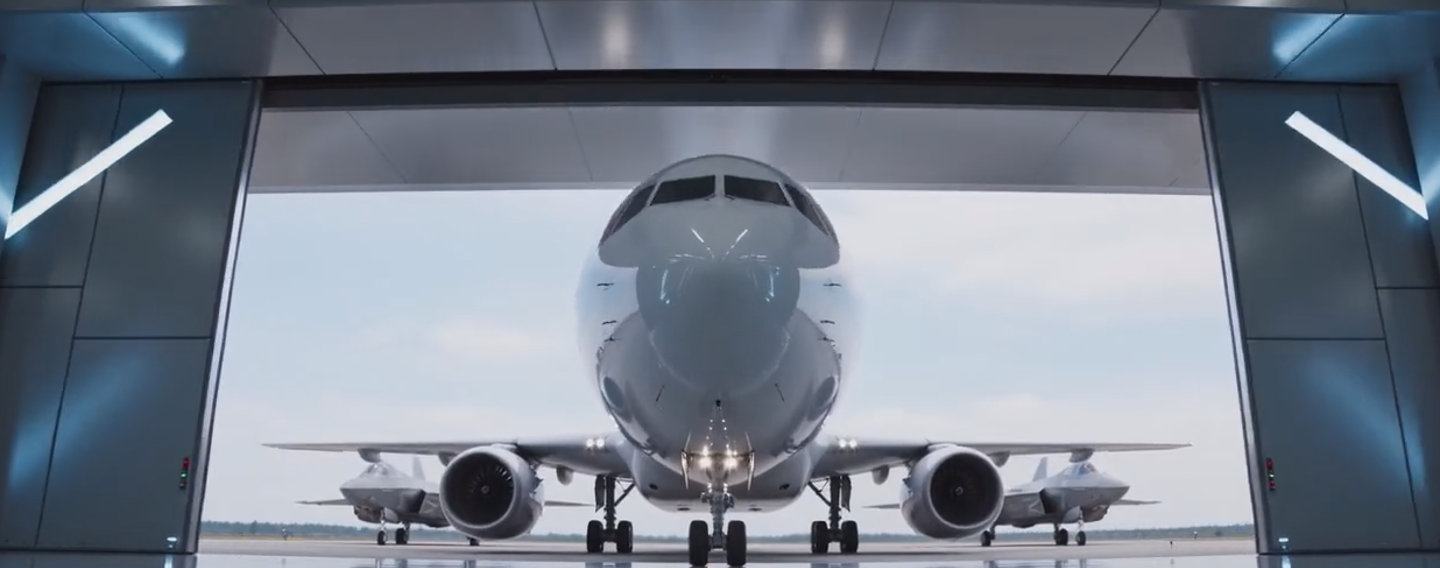
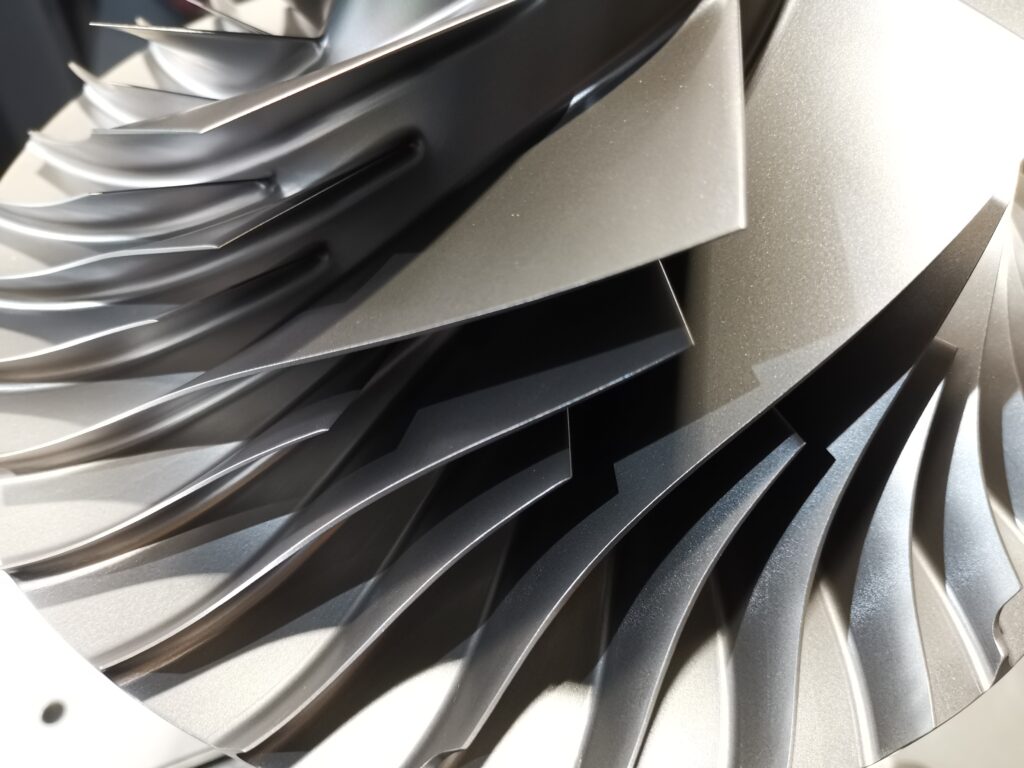
Pain Points:
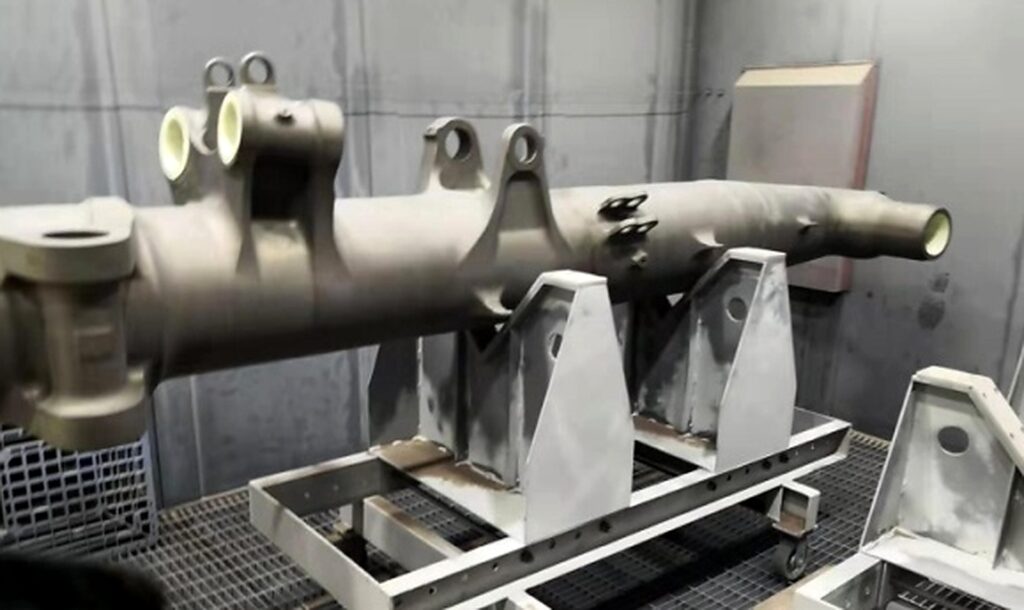
Landing gear endures massive impact loads during touchdown and alternating stresses during taxiing.
It is a safety-critical component — failure would have catastrophic consequences.
Prolonged exposure to moisture, salt spray, gravel, and other harsh environments poses a corrosion fatigue risk.
Surface scratches or minor defects can easily propagate into fatigue cracks under alternating loads.
Value of Shot Peening:
Introduces a deep compressive stress layer, greatly enhancing fatigue and impact strength.
Resists stress corrosion cracking (SCC) and corrosion fatigue, adapting to severe service environments.
Extends overhaul intervals and reduces lifecycle maintenance costs.
Meets airworthiness certification requirements (e.g., FAA, EASA, CAAC), ensuring flight safety.
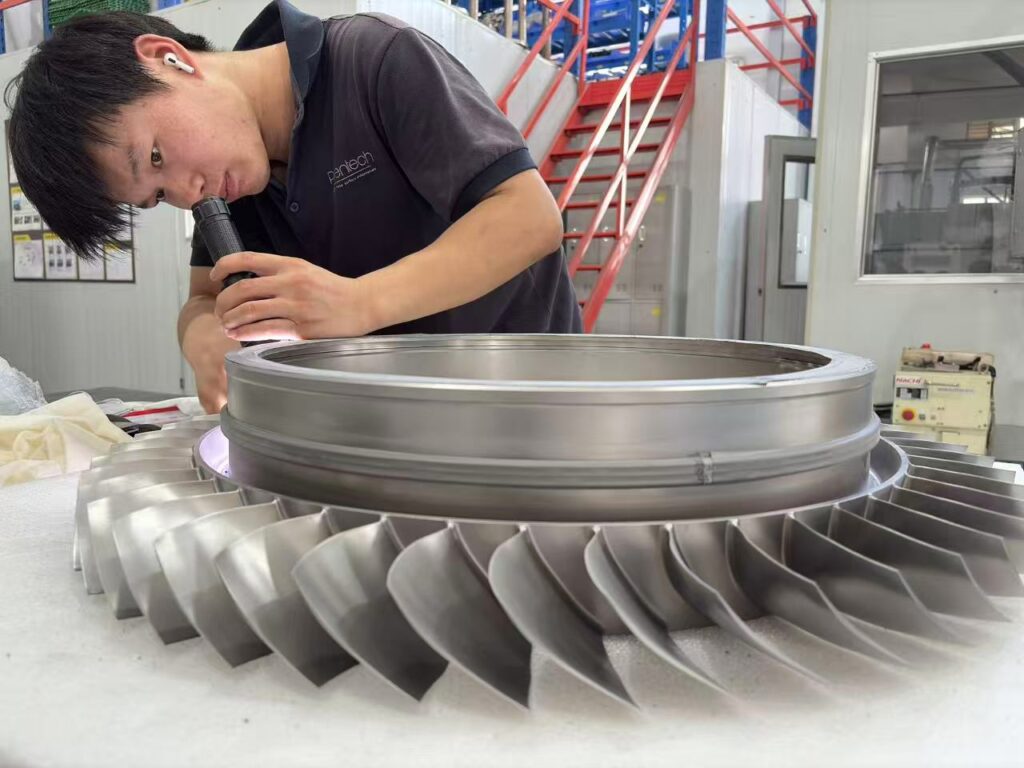
Pain Points:
Blades are subjected to combined centrifugal forces, aerodynamic loads, and thermal stresses under high temperature, high pressure, and high rotational speeds.
Stress concentrations exist at blade roots and airfoil surfaces, serving as primary sites for fatigue crack initiation.
Foreign object damage (FOD) or manufacturing defects can significantly reduce fatigue life.
Blade fracture can lead to catastrophic engine failure.
Value of Shot Peening:
Strengthens blade roots and critical stress areas, significantly improving fatigue strength.
Repairs minor damage (light scratches, impact marks), restoring or enhancing fatigue performance.
Resists vibration fatigue, reducing failure risk under high-frequency vibrations.
Extends engine overhaul intervals, lowering airline operating costs.
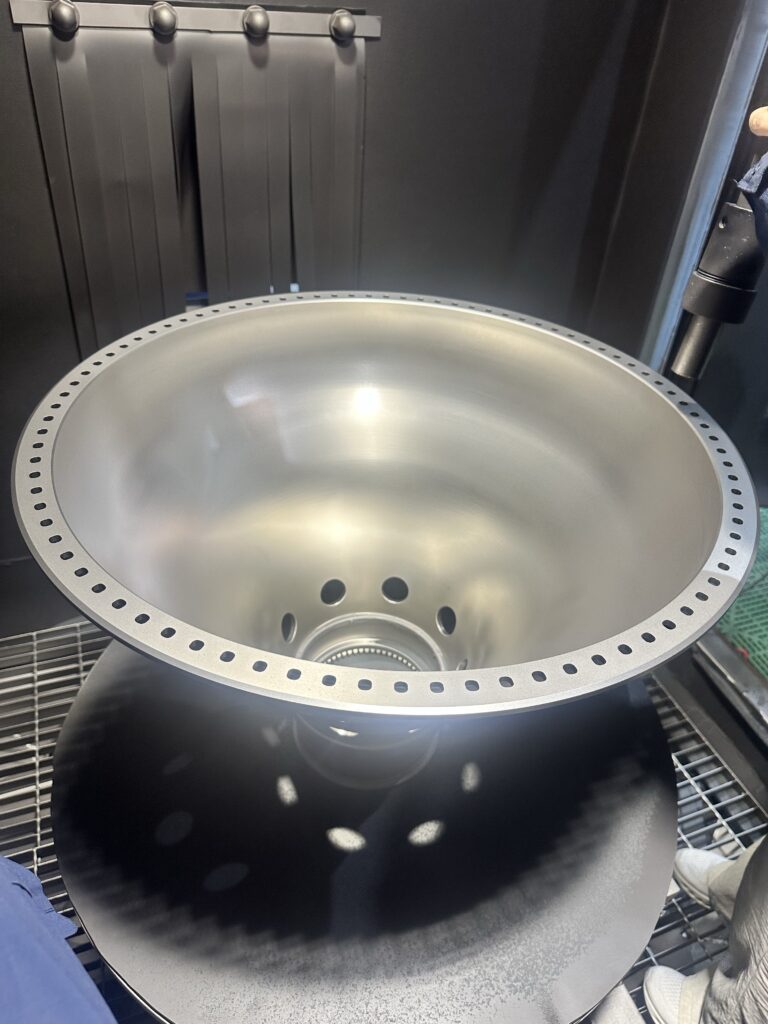
Pain Points:
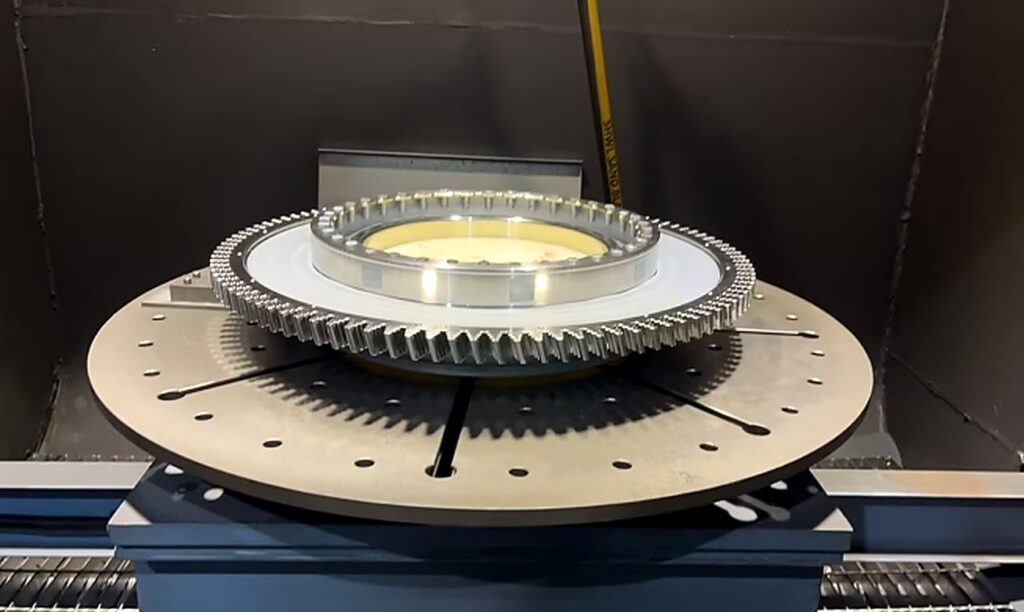
Turbine disks endure enormous centrifugal forces at high temperatures (600–1000°C) and extreme rotational speeds.
Fir-tree slots where blades attach to the disk are subject to extremely high stress concentrations.
Complex materials and manufacturing processes result in high unit costs, making failure exceptionally costly.
They are life-limited parts with extremely stringent safety requirements.
Value of Shot Peening:
Strengthens critical areas such as fir-tree slots, significantly improving low-cycle fatigue (LCF) life.
Enhances fretting fatigue resistance, reducing fretting damage at blade-disk contact interfaces.
Resists stress corrosion and oxidation at high temperatures, extending hot-section component service life.
A core process for improving engine thrust-to-weight ratio and reliability.
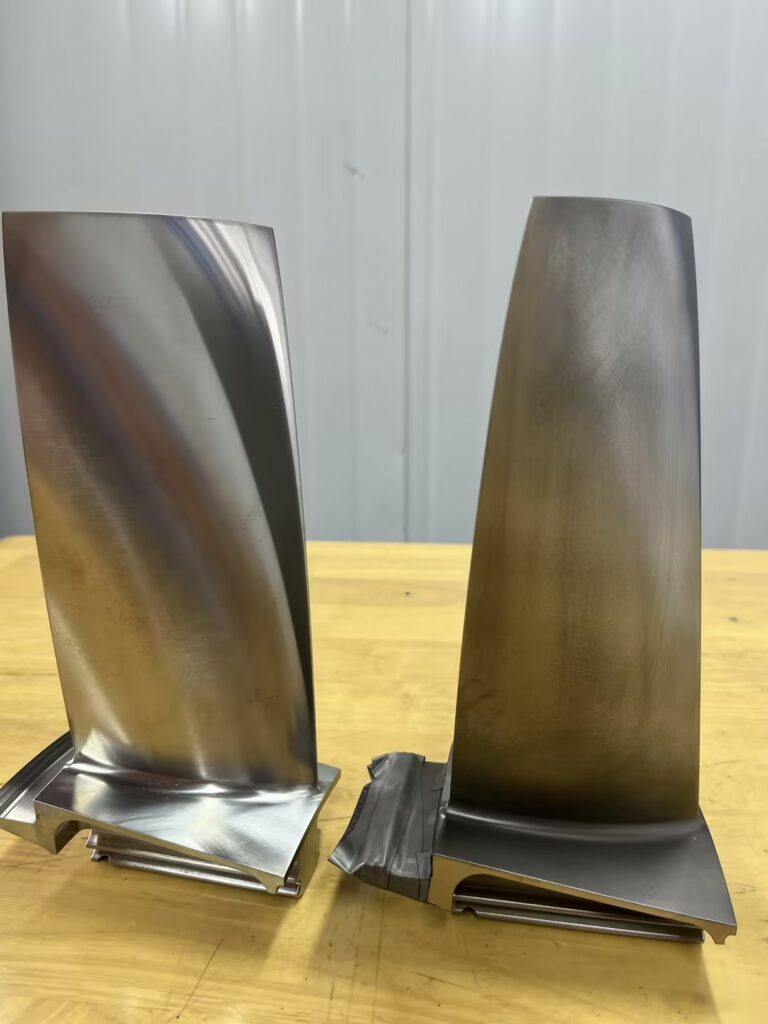
Pain Points:
Airframe structures (spars, ribs, skins, etc.) endure bending, torsion, and alternating loads during flight.
Stress concentrations around rivet and bolt holes are common sites for fatigue cracks.
Aluminum alloy structures are susceptible to stress corrosion cracking (SCC), particularly in marine climates.
Value of Shot Peening:
Strengthens hole walls and joint areas, improving fatigue life of structural connections.
Resists SCC, extending airframe service life in corrosive environments.
Enables peen forming of thin-walled components, replacing costly hot-forming processes.
Reduces structural weight (via thin-wall design with peening compensation for fatigue), improving fuel efficiency.
Pain Points:
Fasteners (bolts, rivets, etc.) are numerous and critical to structural integrity — a single failure can trigger progressive structural collapse.
Severe stress concentrations exist at thread roots, head fillets, and other features.
They bear combined shear, tensile, and vibration loads.
Value of Shot Peening:
Strengthens stress concentration areas such as thread roots, improving fatigue strength.
Enhances fretting wear and loosening resistance, ensuring connection reliability.
Improves consistency and batch-to-batch stability, meeting high-volume production quality requirements.
Pain Points:
Titanium and aluminum alloys are highly sensitive to surface defects and stress concentrations, resulting in wide fatigue life scatter.
Aluminum alloys are prone to SCC; titanium alloys face hot salt stress corrosion risks at elevated temperatures.
Material costs are high, processing cycles are long, and scrap costs are substantial.
Value of Shot Peening:
Significantly improves fatigue strength, particularly high-cycle fatigue (HCF) performance of titanium and aluminum alloys.
Resists SCC, extending service life in corrosive environments.
Improves surface integrity, reducing the negative impact of machining marks and micro-defects.
Maximizes material utilization, fully leveraging the advantages of lightweight materials.