Lorem ipsum dolor sit amet. Aut iste ipsum a ipsum mollitia ut similique aperiam quo sequi voluptatem non assumenda expedita. Qui inventore neque cum ipsam blanditiis sed rerum recusandaeLorem ipsum dolor sit amet. Aut iste ipsum a ipsum mollitia ut similique aperiam quo sequi voluptatem non assumenda expedita. Qui inventore neque cum ipsam blanditiis sed rerum recusandae
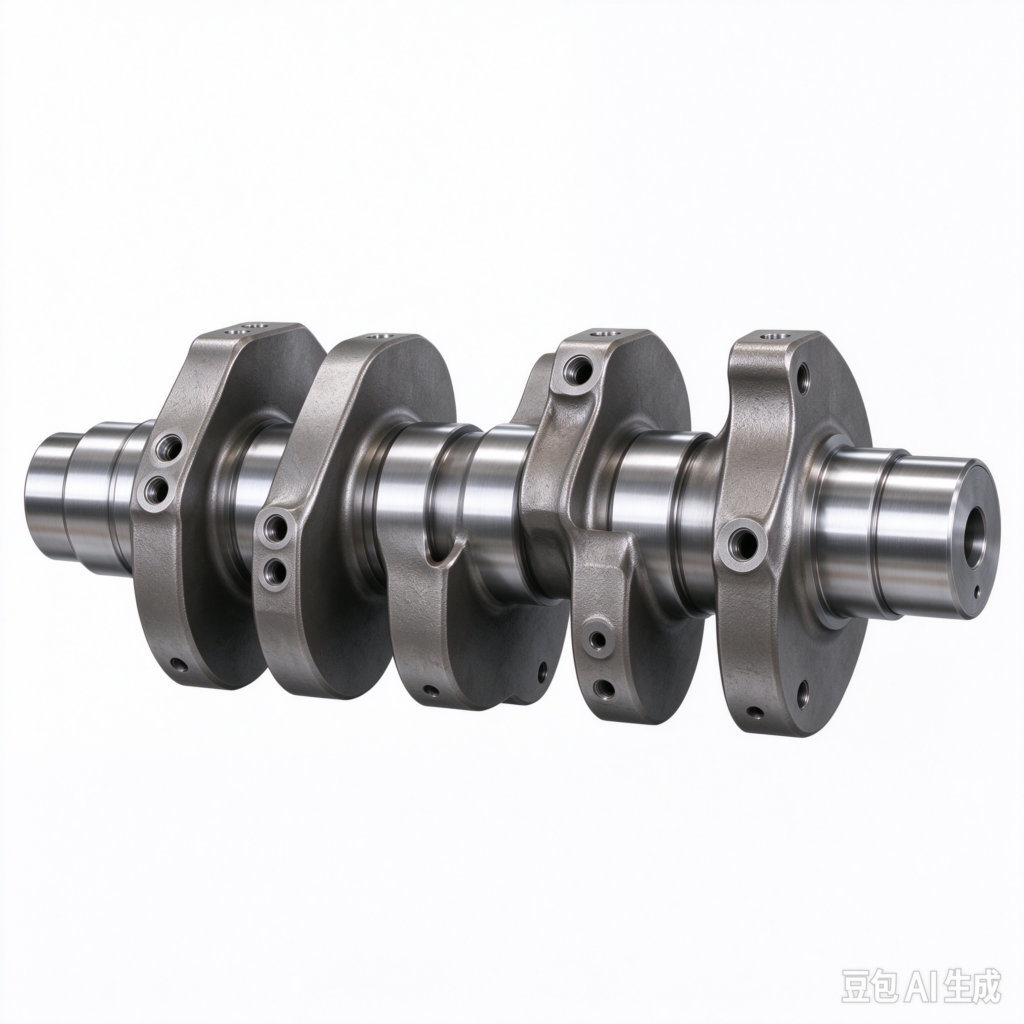
Pain Points:
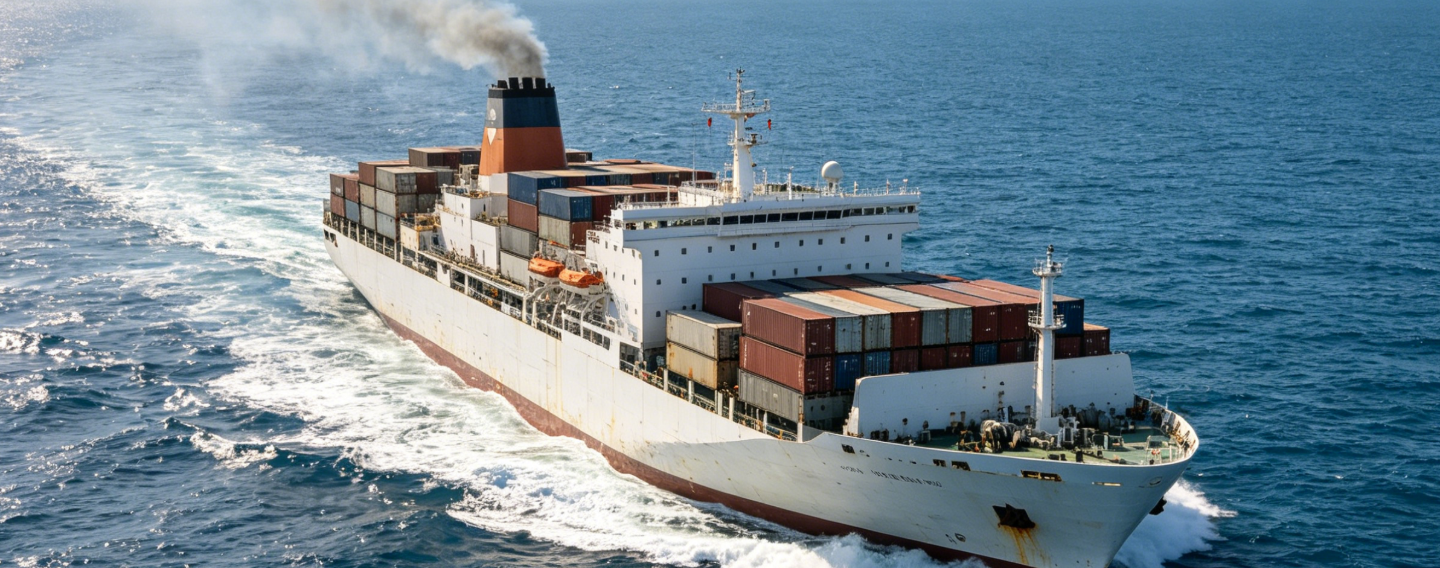
Scale and rust form on the surface during rolling, transportation, and storage.
Anti-rust primer or oil contamination from the manufacturing process affects subsequent coating adhesion.
Value of Shot Blasting:
Removes scale and rust, providing a clean metal surface.
Creates surface roughness (Ra 50–100 µm), significantly improving anti-corrosion coating adhesion.
Eliminates localized stress concentrations, reducing the risk of stress corrosion cracking.
Extends dry-dock intervals and reduces lifecycle maintenance costs.
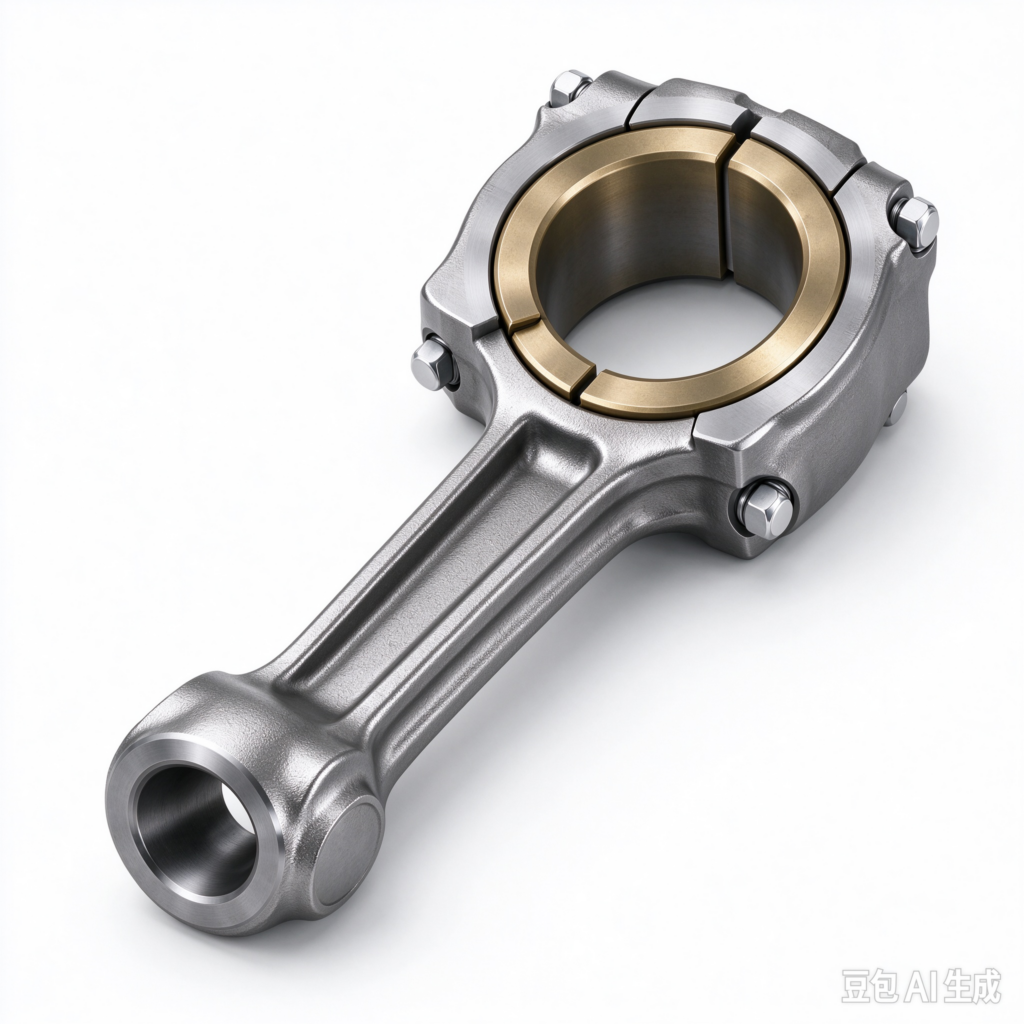
Pain Points:
Residual molding sand, scale, and burrs remain on casting surfaces.
Surface micro-cracks and porosity may develop during casting, affecting sealing integrity and fatigue strength.
Value of Shot Blasting:
Thoroughly removes molding sand and scale, delivering a clean and dense casting surface.
Eliminates burrs, improving appearance and assembly precision.
Relieves tensile stresses on casting surfaces, reducing the likelihood of fatigue crack initiation.
Enhances coating/plating adhesion and improves resistance to seawater corrosion.
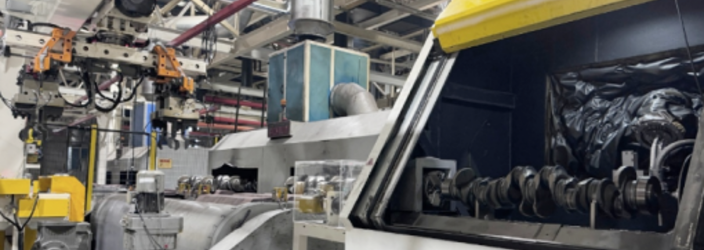
Pain Points:
Propellers are subjected to alternating loads and cavitation erosion over long-term service in seawater.
Surface damage accelerates fatigue crack propagation, potentially leading to blade fracture.
Value of Shot Blasting:
Introduces compressive residual stresses, significantly improving fatigue strength.
Repairs minor surface damage and retards the progression of cavitation and corrosion pits.
Improves surface finish, enhancing propulsion efficiency (smoother surfaces reduce fluid drag).
Extends propeller service life, reducing replacement frequency and operational costs.
Pain Points:
Shaft systems are core components of marine power transmission, subjected to combined torsion, bending, and vibration loads.
Journals, keyways, and similar features are typical stress concentration zones.
Value of Shot Blasting:
Enhances fatigue strength to resist torsional and bending fatigue.
Strengthens stress concentration areas such as keyways and fillets, reducing fracture risk.
Improves corrosion-fatigue resistance against the combined effects of seawater and lubricants.
Extends overhaul intervals, ensuring power system reliability and safety.
Pain Points:
Anchor chains endure high impact loads and seawater corrosion during service.
Chain links experience mutual friction, causing severe surface wear.
Value of Shot Blasting:
Removes surface rust and marine fouling.
Introduces a compressive stress layer, improving impact and fatigue resistance.
Enhances anti-corrosion coating adhesion, prolonging service life in seawater.
Reduces the risk of chain failure, ensuring safe anchoring operations.
Pain Points:
Mooring equipment (bollards, fairleads, mooring winches, etc.) is continuously exposed to a marine atmospheric corrosion environment.
Surface damage accelerates corrosion, compromising structural strength.
Value of Shot Blasting:
Thoroughly removes surface rust and old coatings, providing an ideal substrate for anti-corrosion painting.
Roughens the surface to enhance coating adhesion.
Improves stress corrosion resistance, reducing the risk of brittle fracture in marine environments.
Extends equipment service life and reduces replacement and maintenance costs.